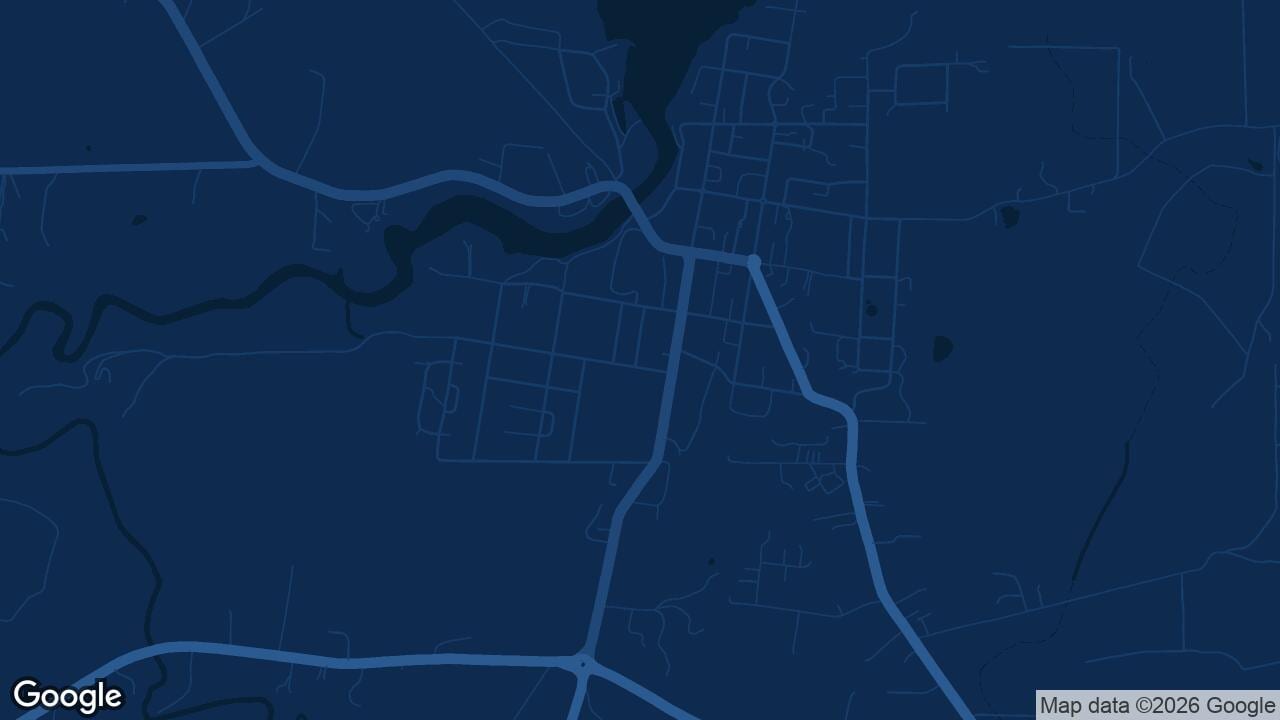
Regional Tasmania · Burnie
Smithton is a key service town on Tasmania's far north-west coast, defined by its strong connection to the agriculture, timber, and aquaculture industries. It offers a relaxed, community-focused lifestyle against a backdrop of lush green landscapes and coastal scenery, serving as a gateway to the rugged Tarkine wilderness. The town has a blue-collar charm, with a steady, unpretentious character rooted in its industrial and farming heritage.
Market snapshot
Price register · May 2026
Median house
$325,000 - $450,000
Mid-band $388Kspread 32%
Browse agencies across Australia to find the perfect team for your property journey.
Create your free profile and connect with motivated buyers actively searching for expert guidance in your area.
Create Your Free ProfileLast reviewed 14 May 2026
Median unit
$300,000 - $425,000
Mid-band $363Kspread 34%
Days on market
~34-80 days
Median listing-to-sold window. Shorter = tighter buyer field.
Auction clearance
Private-treaty market
Share of auctions sold. Brisbane skews private-treaty.
Rental yield
4.7% to 5.7%
Gross yield on house stock. Premium suburbs compress.
5-year house-price growth
+55% to +75%
cumulative since 2021Who buys here
Yield-focused investors · First-home buyers seeking affordability · Lifestyle buyers and nature lovers
5-year trend
Modelled trajectory anchored on aggregated 5-year median figures. Indicative; not month-by-month observed data.
Market analysis
The Smithton property market presents a compelling case for income-oriented investors and buyers seeking affordability, though it requires a patient, long-term outlook. With a median house price of $395,000, the town remains highly accessible compared to other Tasmanian regional centres. This affordability, coupled with a strong rental yield of around 5.2%, underpins the market's primary appeal. Demand is largely driven by local workers in the stable agriculture, processing, and aquaculture sectors, as well as investors attracted to the positive cash flow potential.
However, capital growth has been modest, with a recent annual increase of just 2.6% for houses. This contrasts with the significant growth experienced in the five years prior. The market's current dynamics are defined by a supply and demand imbalance; while the number of new listings is low, high days on market (averaging 57) suggest a slower sales velocity and softer transactional demand. This indicates that while stock isn't flooding the market, buyers are selective and have some negotiation power. Building approvals are minimal, which should prevent significant oversupply and support prices at their current level.
Infrastructure projects like the Marinus Link and North West Transmission Developments, while not directly in Smithton, are set to bolster the broader region's economy and may have a gradual, positive impact on confidence and long-term demand. The local market is dominated by detached houses, with a very small unit market showing more volatile price movements due to low transaction volumes. For investors, the thesis is not rapid appreciation but a steady, yield-driven return in a stable, economically productive town. The market is less suited to short-term flippers and more to buy-and-hold investors who value affordability and income.
A pragmatic choice for income-focused investors, Smithton offers some of Tasmania's most affordable housing and strongest rental yields.
Why a buyers agent
Engaging a buyer's agent in Smithton is crucial for navigating the nuances of a market that appears simple but has hidden complexities. Unlike Tasmania's major cities, property sales here are almost exclusively by private treaty, with no cooling-off period once a contract is signed. An agent provides an essential safeguard, ensuring due diligence - from title searches to building inspections - is completed before you're legally bound. They possess local knowledge to distinguish between properties with solid fundamentals and those with risks like poor winter drainage or limited resale appeal. In a market with high days on market, a skilled agent can identify motivated sellers and negotiate favourable terms, which an outsider would miss. They also have access to off-market opportunities and can provide an objective assessment of value in a town where comparable sales data can be thin, protecting you from overpaying.
With a median house price significantly lower than Tasmania's cities and many regional centres, Smithton offers an accessible entry point for first-home buyers and investors alike.
Investors are drawn to Smithton for its robust rental returns. Gross rental yields for houses are around 5.2%, providing the potential for positive cash flow in a stable economic environment.
Positioned as the gateway to the Tarkine wilderness and surrounded by a rugged coastline, Smithton is ideal for those seeking a lifestyle connected to nature, with endless opportunities for hiking, fishing, and exploring.
The town's economy is not reliant on tourism, but on essential industries like agriculture, food processing, and timber. This provides a foundation of steady employment and a resilient community.
The place
Smithton is a practical and resilient town on the far north-west coast of Tasmania, serving as the commercial and administrative heart of the Circular Head region. Its character is shaped by the surrounding lush farmland and its role as a gateway to the Tarkine wilderness. The local economy is anchored by major employers in agriculture, food processing (McCain), timber milling (Britton Bros, Ta Ann), and seafood processing (Tasmanian Seafoods), providing a stable employment base.
Families are well-catered for with a range of educational facilities, including Smithton Primary School, St Peter Chanel Catholic School, and Smithton High School (to Year 12), as well as the Circular Head Christian School. The town's retail needs are met by a town centre with supermarkets, banks, and local shops along Emmett Street. For recreation, the area is an outdoor haven. The Duck River provides scenic walking tracks, while the broader region offers access to pristine beaches and forests. There are 18 parks in the immediate area, covering nearly 5% of the suburb.
Transport is primarily car-based, with Smithton located on the Bass Highway, approximately 85km from the regional city of Burnie. While there is no passenger rail, local bus services connect the town to surrounding areas. Major infrastructure projects in the region, such as renewable energy and transmission upgrades, are expected to support the local economy in the long term.
Frequently asked
Keep exploring
The 5-year trajectory is a modelled curve anchored on the documented cumulative growth rate. Editorial review: 14 May 2026. Updated quarterly.
We're actively recruiting in Smithton.
Be the first verified buyers agent in Smithton
Claim a verified profile and reach buyers searching this market.