

Lorna Wang
Dubbo, NSW+9
Regional Tasmania · Launceston
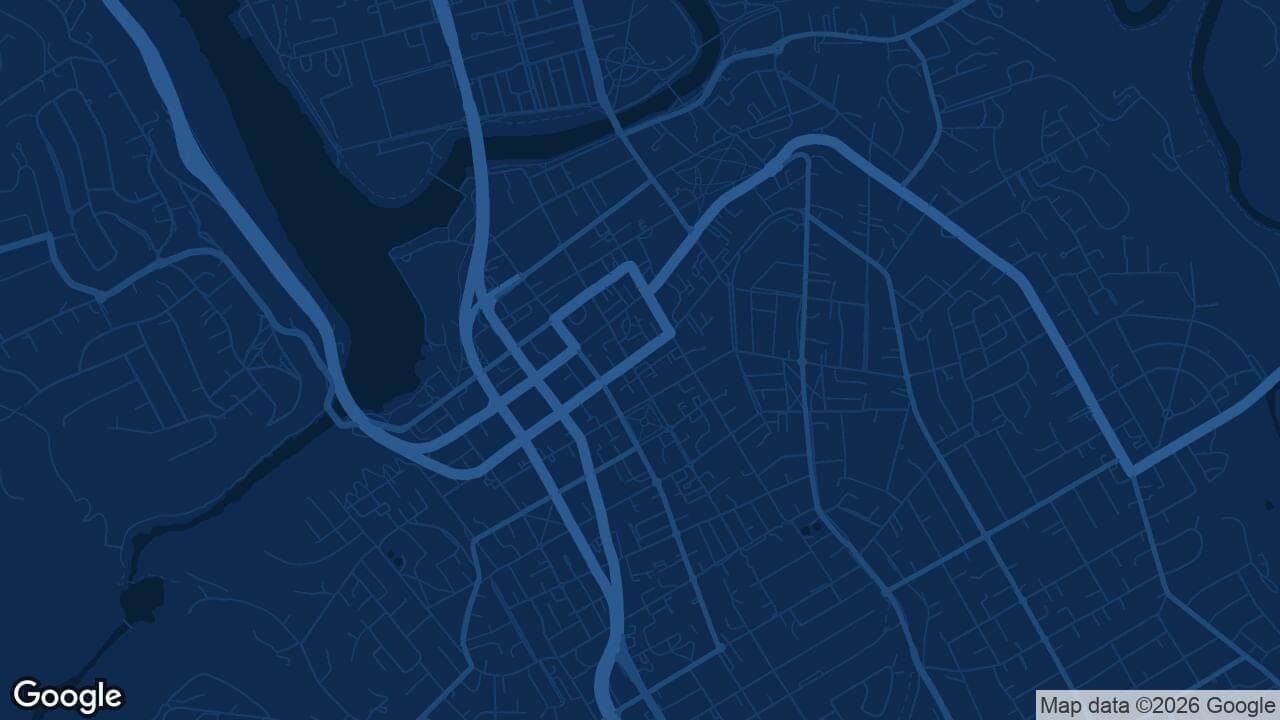
The city centre suburb of Launceston, in the City of Launceston. Homes are a mix of houses, townhouses and apartments.
Last reviewed 25 October 2026
Market snapshot
Estimate, not an official figure · September 2026
Median house
$650,000 - $850,000
Mid-band $750Kspread 27%
Median unit
$500,000 - $675,000
Mid-band $588Kspread 30%
Rental yield
3.3% to 4.3%
Gross yield on house stock. Premium suburbs compress.
Price growth for Launceston is not shown. Our estimates for May and September 2026 gave five-year figures more than 10 points apart, and no licensed sales data is available to check which is right.
Before you buy
The Tasmanian Heritage Register lists places in central Launceston, including the Town Hall, Customs House, the Princess Theatre and the former Launceston Penitentiary. The Launceston planning scheme also maps a local heritage precinct. Ask the council whether the address is listed before you plan works.
Tasmania's State Emergency Service says the river edge areas of the city and East Launceston can flood from the South Esk and North Esk rivers and the Tamar estuary. The City Levee reduces the flood risk for the city's river edge areas, and the SES says there is no guarantee the levees will withstand a major flood. Read the SES flood guide and ask the council about flooding for the address.
Metro Tasmania runs Launceston's buses. Launceston Airport is 15 kilometres south of the city.
We found no published official rent figure for Launceston by suburb. At the 2021 Census, the median weekly rent in Launceston was $310.
The State Revenue Office's duty exemption for first home buyers of established homes does not apply to transactions settling after 30 June 2026. A new home bought in a transaction that commences between 1 July 2026 and 30 June 2027 may be eligible for the State Revenue Office's $20,000 first home owner grant.
At the 2021 Census, 38.1% of Launceston homes were separate houses, 33.1% were semi-detached, terraces or townhouses and 24.4% were flats or apartments.
Agents on a Pro plan who serve Launceston
Why a buyers agent
In central Launceston, heritage listings and the river levees bear on what you buy. A buyers agent who works northern Tasmania checks the heritage register and the flood guides for each home on your shortlist, prices it against the sales closest to it, and negotiates for you.
Places in central Launceston, including the Town Hall and Customs House, are on the Tasmanian Heritage Register. An agent checks the address before you bid.
The river edge areas can flood, and levees reduce the risk without a guarantee. An agent asks the council about the address.
The State Revenue Office's duty exemption for established homes ended for settlements after 30 June 2026, and its grant is for new homes. An agent checks what applies.
At the 2021 Census, central Launceston's homes were split across houses, terraces and apartments. An agent compares them against your budget and plans.
Compare
| Metric | This suburbLaunceston | NearbySouth Launceston |
|---|---|---|
| Median house | $650,000 - $850,000 | $550,000 - $750,000 |
| Median unit | $500,000 - $675,000 | $375,000 - $500,000 |
| Year-on-year growth | Not available | +7% to +17% |
| 5-year growth | Not available | +43% to +63% |
| Rental yield | 3.3% to 4.3% | 3.8% to 4.8% |
| Postcode | 7250 | 7249 |
Snapshot date varies by suburb; see individual suburb pages for figures.
The place
Launceston had 3,110 residents at the 2021 Census, with a median age of 41. It is in the City of Launceston.
At the 2021 Census, 30.4% of Launceston homes were owned outright and 16.4% with a mortgage. The median monthly mortgage repayment at that Census was $1,530.
Frequently asked
Keep exploring
Searching more widely? Browse every Regional Tasmania buyers agent across the city.
Editorial review: 25 October 2026.
Browse agencies across Australia to find the perfect team for your property journey.
Pro Profile
A profile you can verify, listed in up to 11 suburbs in our agent search, with every enquiry's name, email and phone.
See the Pro Profile