
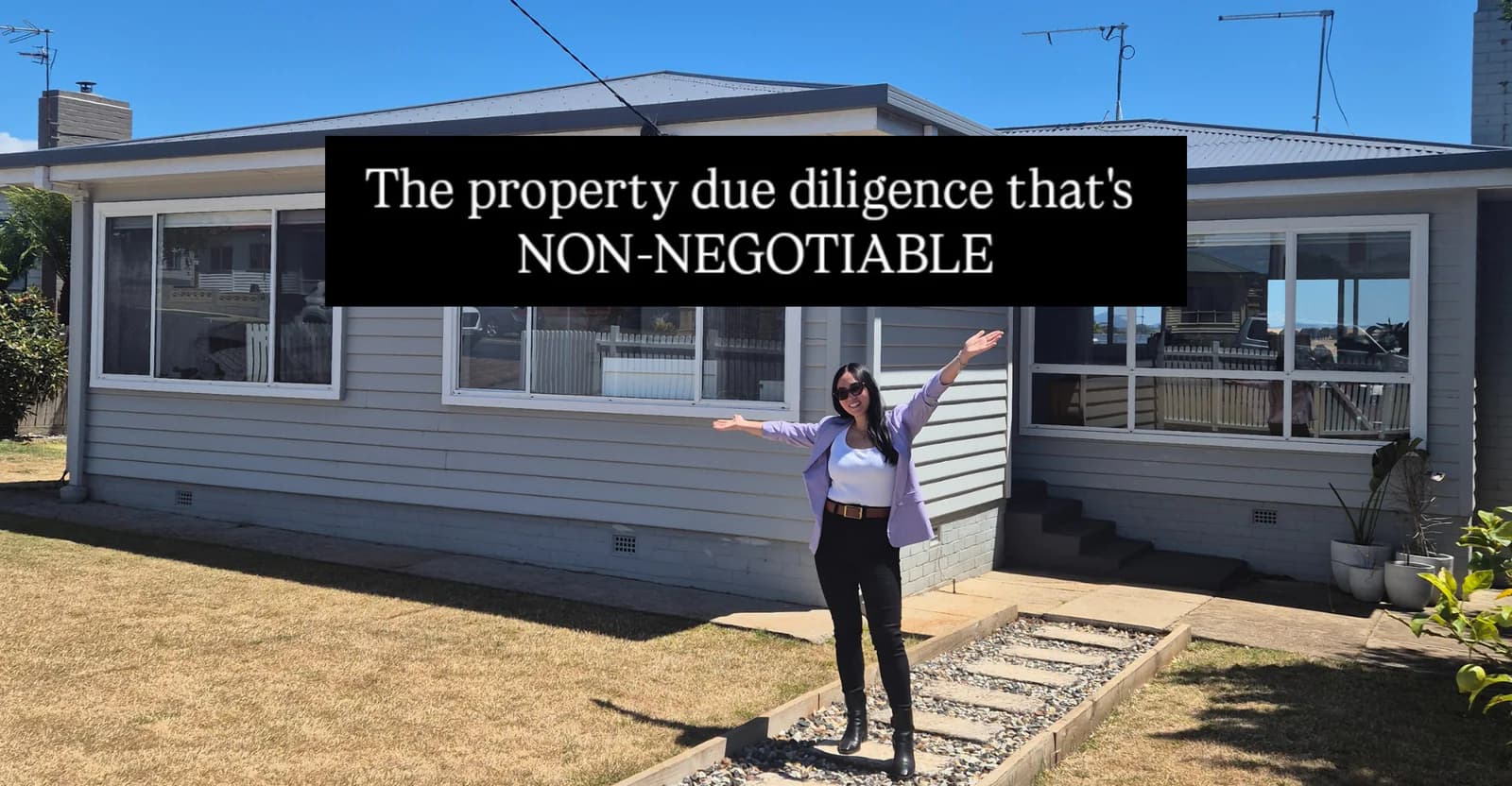

As a buyers agent one piece of due diligence I will never skip when buying property is a Pest and Building (P&B) inspection.
A P&B inspection is conducted by a licensed building inspector before you purchase a property. Their job is to assess the condition of the home and identify issues that may not be visible during an inspection.
They’ll look at things like the overall structure and condition of the building, check for termites or other pests and identify any defects, damage or safety hazards.
These reports are detailed - typically 20 to 70 pages long, and they usually cost between $500 and $1000 depending on the location.
Most of the time the buyer pays for this inspection. However, in some areas the vendor will organise one before selling and make the report available to buyers. If that’s the case, I still recommend either arranging your own inspection or paying a small fee to have the report transferred into your name so the inspector remains accountable to you.
During an inspection, the following are key areas need very careful attention because they are extremely costly to fix;
- Foundations
- Footings and subfloor
- Roof structure and ceiling space
- Walls and load-bearing elements
- Drainage issues
- Major defect and safety hazards
Because once you settle, you own the problems.
A good inspector will often pick up signs of structural movement, water damage, poor workmanship, and non-compliant additions or structures.
A detailed P&B report will usually outline:
- Major defects
- Minor defects
- Safety issues
- Evidence of pests
- Photos of problem areas
- Recommendations for further specialist inspections if required
A great inspector is absolutely worth their weight in gold. Before appointing one, it’s worth checking a few key things:
- Credentials and licensing
- Their knowledge and experience
- A sample report and the level of detail provided
- The tools and technology they use
- Their communication and availability
- Referrals and reviews
A thorough P&B inspection can give buyers powerful leverage. If defects are identified, it can help you renegotiate the price, request repairs, budget properly for upcoming work, or walk away from the deal entirely.
Here are some examples of how I’ve used a P&B inspection to protect my client.
Sometimes properties look great at first glance but don’t hold up under closer inspection. I’ve seen homes that were essentially “mutton dressed up as lamb” with DIY renovations, drummy tiles, loose grout and unfinished edges. To the untrained eye this unlikely gets picked up and rectification can be costly. My client and I decided to back out of this one.
Leaking showers are a costly repair and a regrout is not enough to prevent future leaks. This means that the waterproofing has failed and in order to re-do the area the whole shower needs to be renovated. This was flagged in the report and thankfully it was redone by the vendors otherwise we would have walked away from the deal.
Roofs are another costly item in a home, they are essential to protecting your asset from water damage. This property found a number of iron sheets that needed replacing, thankfully no leaks detected but it was on its last legs. Through negotiations with the vendor we were able to get a roof replacement at the vendors expense.
For me, this step in the buying process is simple.
It’s a must. No questions.