
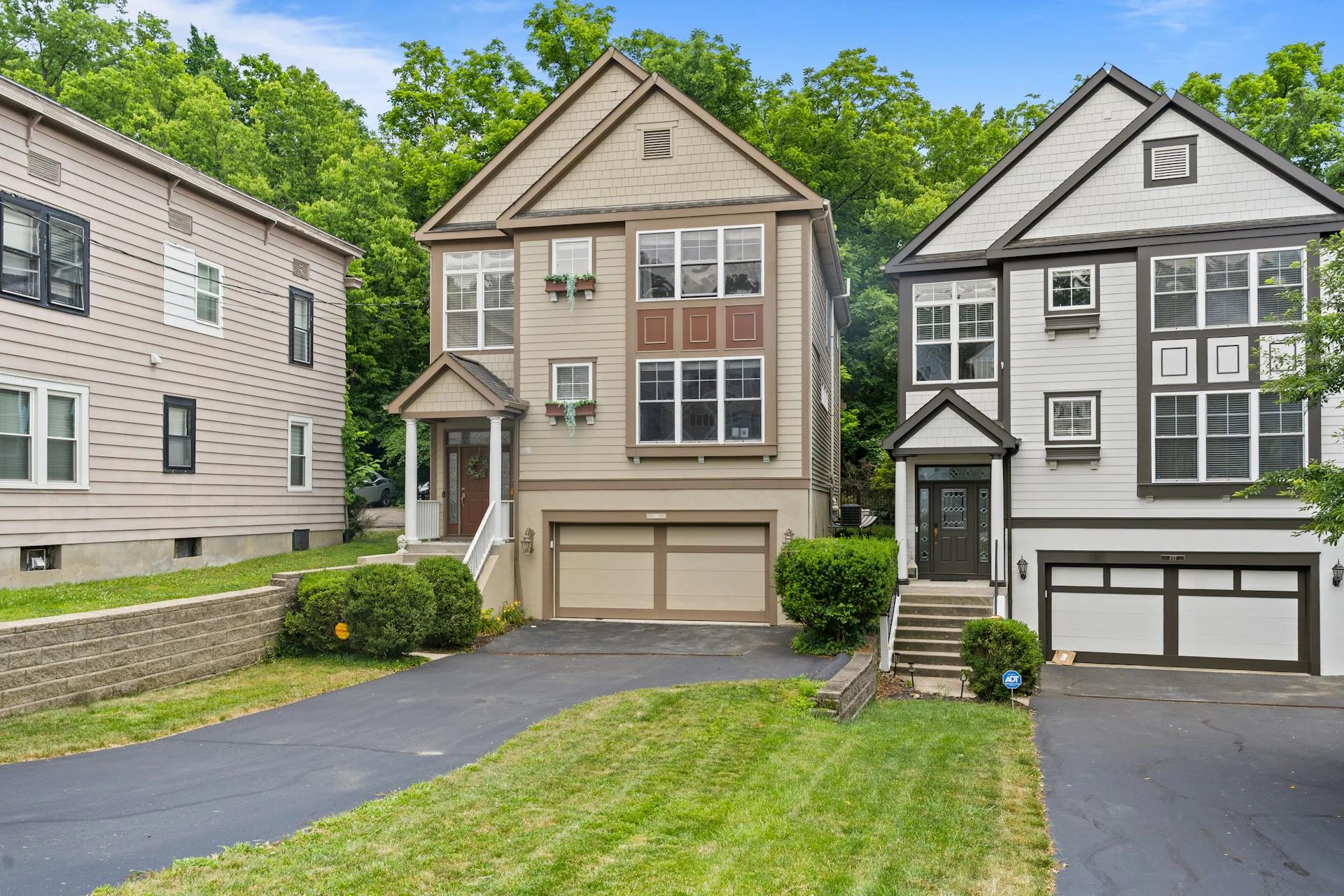

The short answer: When you buy a townhouse in Queensland, you also buy a share of a body corporate. Before you sign, check the levies, the sinking fund balance and plan, any special levies, the by-laws, and recent meeting minutes for disputes or defects. Put the levies in your numbers like a second set of rates.
You're buying into a small company
Plenty of the home buyers I work with as a buyers agent look at townhouses as the step between a unit and a house. What they sometimes miss is that they're also joining a body corporate: the owners of every lot, who share the costs and decisions for the common property.
A well-run body corporate is quiet and fair. A badly run one can cost you thousands in special levies or years of disputes. The documents tell you which you're buying into.
What the seller has to give you
Under Queensland's seller disclosure rules, a seller of a lot in a body corporate scheme gives the buyer the community management statement and a body corporate certificate before you sign. Your conveyancer can also order a body corporate search, which goes further.
Read them before you sign, not during the cooling-off period.
The six things to check
1. Levies. How much the owner pays, usually split into an administrative fund (running costs such as insurance and gardening) and a sinking fund (long-term repairs). Compare them with similar complexes nearby.
2. The sinking fund balance and plan. A healthy balance, with a plan for the big jobs ahead: roofs, painting, driveways, fences. A small complex with a low balance and an old building is a warning sign.
3. Special levies. One-off charges for work the sinking fund can't cover. Check whether any have been raised or proposed, and who pays if one is raised after you sign. Ask your conveyancer.
4. By-laws. The rules of the scheme: pets, parking, renovations, short-term letting, even what you can put on a balcony. Make sure they suit how you plan to live.
5. Meeting minutes. The last few years of annual general meetings and committee meetings. Look for building defects, insurance claims, disputes between owners and repairs that keep getting deferred.
6. Insurance and the building. The body corporate insures the building and common property. Check the cover and any recent claims. Your own building and pest inspection covers your lot, not the whole scheme, so read ++what a building and pest inspection misses++.
Put the levies in your numbers
Levies are a holding cost, like rates and insurance. On a townhouse, they can run to thousands of dollars a year. Two townhouses at the same price can cost very different amounts to own.
Add the annual levies to the free ++Holding Power Check++, and keep a buffer of 6, 9 or 12 months of repayments and costs once you've bought.
The trade-off against a house
A townhouse usually costs less to buy and maintain than a house in the same area, and the body corporate handles shared upkeep. The cost is control. You share decisions with other owners, you pay levies whether you agree with them or not, and you usually own less land, which matters for future value.
If you're weighing up a townhouse against a house, compare the total cost of owning each, not only the price. When prices move, the gap between the two can change; our guide to ++upgrading your home when prices fall++ covers that decision.
Read the minutes before you sign
One test before you sign: have you read the last two years of meeting minutes, and do you know the sinking fund plan? If the documents raise a question nobody can answer, treat that as a reason to walk away.
Reading a scheme's records before an offer is one of the first things we do for ++home buyers looking at townhouses++. What would the levies add to your yearly costs on the townhouse you're looking at?
Frequently asked questions
What should I check before buying a townhouse in Queensland?
Check the levies, the sinking fund balance and plan, any special levies, the by-laws, recent meeting minutes and the building insurance. Your conveyancer can order a body corporate search to go further than the seller's documents.
What is a sinking fund in a body corporate?
It's the money a body corporate saves for long-term repairs and replacements, such as roofs, painting and driveways. A low balance in an older complex can mean special levies later.
Are body corporate fees worth paying?
They pay for shared insurance, maintenance and repairs you'd otherwise fund yourself. Compare them with similar complexes, and add them to your yearly costs before you decide whether a townhouse suits you.
Disclaimer: The information in this article is general in nature and does not take into account your personal objectives, financial situation, or needs. It is not financial, legal, or tax advice. The Nelis Group accepts no liability for actions taken based on this content. You should seek independent advice from a relevant licensed professional before making any decisions and always confirm the latest rules and thresholds with your state revenue office or relevant authority.