
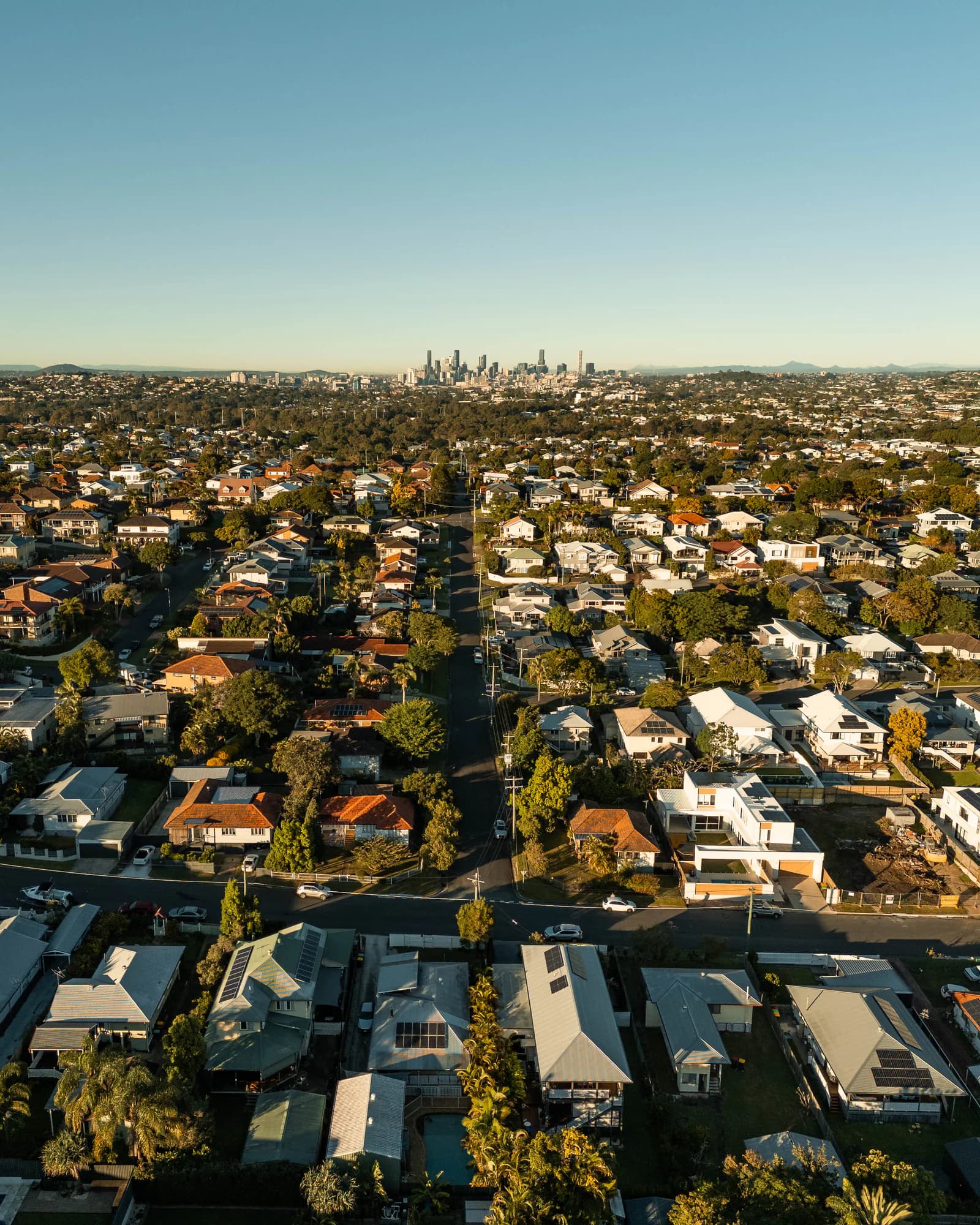

Ask a specialist who has just accepted a role at the Royal Brisbane and Women's Hospital where they should live, and Ashgrove comes up within the first three suggestions.
There is a reason for that, and it is not just the postcode.
The draw is proximity without compromise. Ashgrove sits close enough to the RBWH precinct and the Queensland Children's Hospital that a registrar finishing a late shift is home in minutes, not in a queue on the motorway. For anyone working rotating hours, that difference is worth more than an extra bedroom.
What surprises buyers moving from Sydney or Melbourne is the housing itself. Ashgrove gave its name to a style of home, the Ashgrovian, with its wide gabled roofline, timber detail and generous verandah. Streets like these are rare in Australian capitals now. Many have been renovated underneath while keeping the front elevation intact, which means families get the character they wanted and the plumbing they actually need.
Blocks here tend to be elevated. That matters for breezes in February, it matters for outlook, and it matters for the kind of backyard where children can be sent outside and forgotten about for an hour.
Schooling is the other quiet driver. Marist College Ashgrove and Mount St Michael's College are both within the suburb, and the surrounding state catchments are well regarded. Relocating families often lock in schooling before they choose a house, and Ashgrove lets them do both in the same conversation.
The challenge is supply. The best homes on the best streets are tightly held, and plenty of them change hands quietly before a campaign ever begins. Buyers who rely only on the portals see the leftovers, then wonder why they keep missing out. We spend a lot of our week talking to agents in this pocket precisely because so much of the good stock never reaches an open home.